
Recently, Meta announced that it is shifting focus away from the metaverse, at least for now, and placing greater emphasis on artificial intelligence. While the rise of AI in education is important and exciting, stepping back from immersive virtual environments may be a missed opportunity, especially when it comes to online learning.
At digiTIES, we see a powerful educational use case for metaverse-style tools that goes far beyond novelty or entertainment. Our school serves students from all over the world, with teachers teaching from different countries and time zones. While online learning offers flexibility and access, it can also bring a sense of isolation. Too often, students experience learning alone, seated behind a screen.
Now imagine something different.
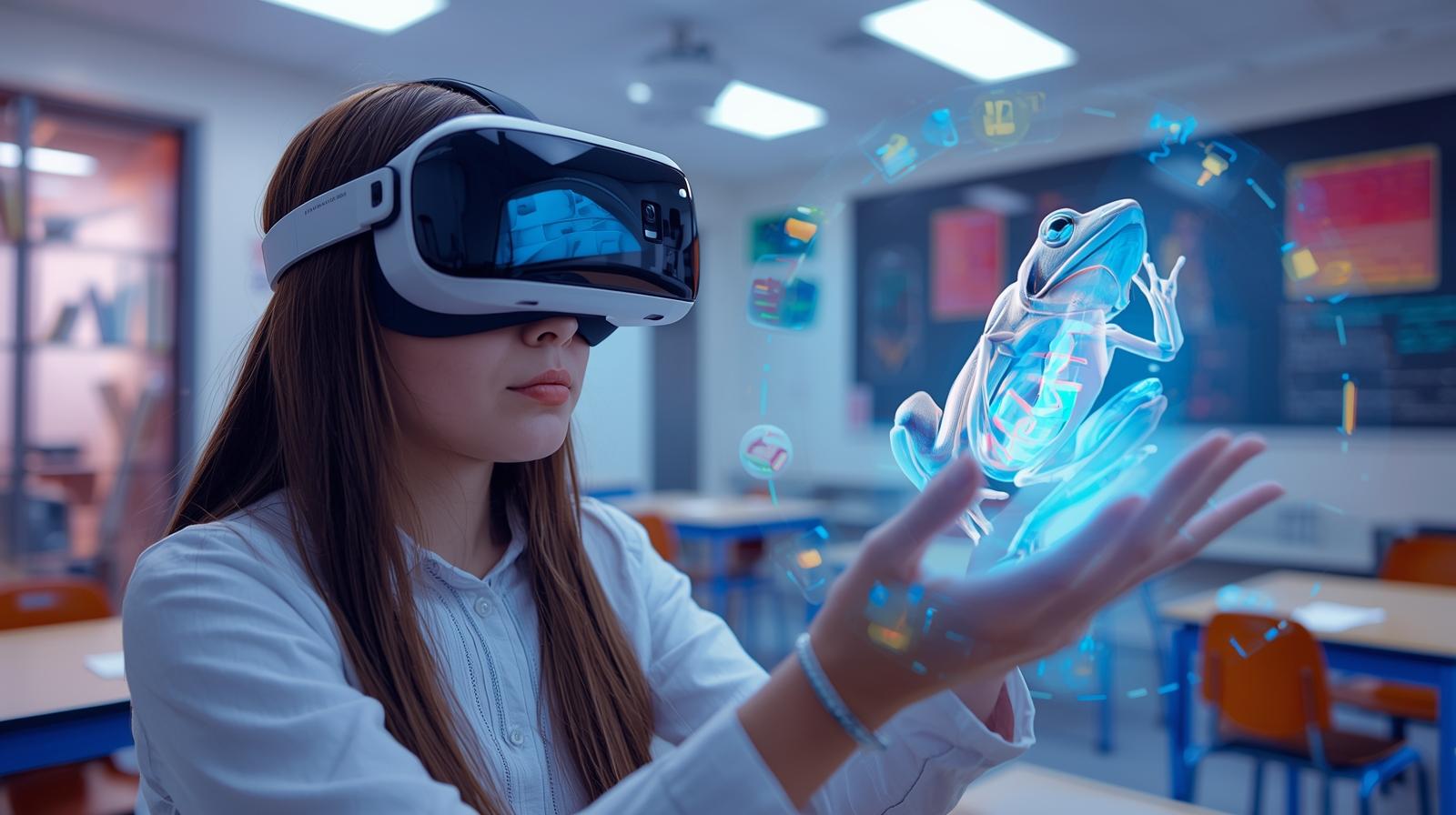
Imagine students entering a virtual classroom where they are present together, not just logged in. Imagine a teacher standing at a board, teaching naturally, but looking out through her headset and seeing her students seated in front of her as if they were physically in the same room. Students are no longer small boxes on a screen. They are active participants in a shared learning space.
Now imagine the instructional possibilities.
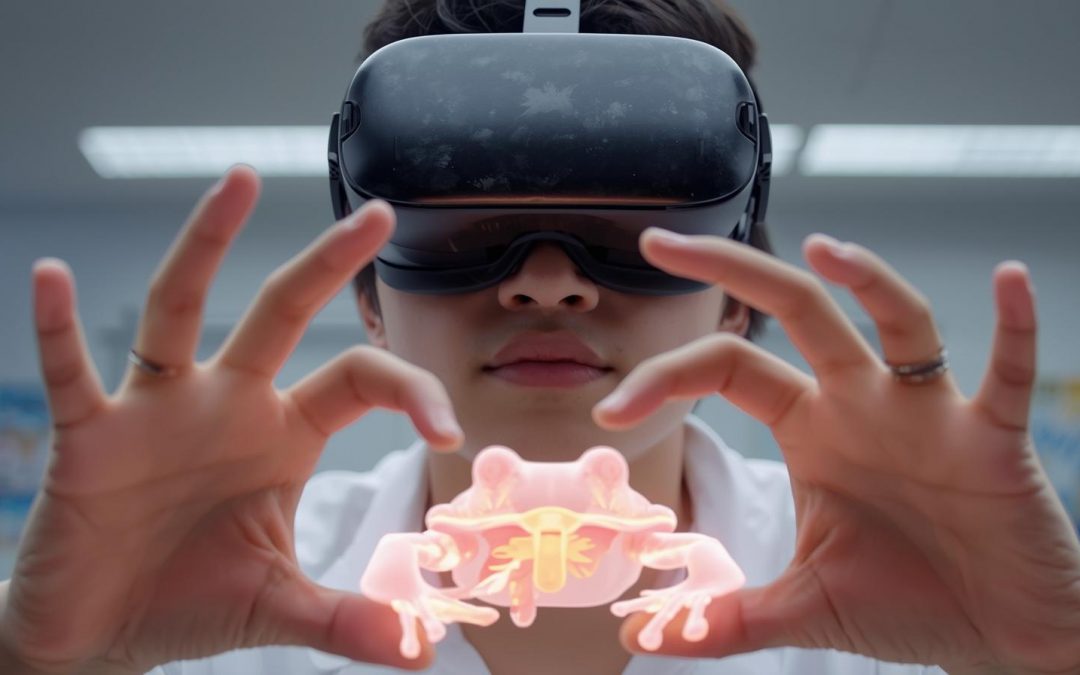
Imagine conducting a frog dissection in science class through a Meta headset, where students can explore anatomy in a detailed, ethical, and repeatable virtual environment. Imagine students manipulating three-dimensional geometric figures in math, rotating shapes, measuring angles, and exploring volume right in the virtual palm of their hands. Abstract concepts suddenly become tangible, interactive, and deeply engaging.

This kind of immersive learning has the potential to transform online education. It restores what many virtual classrooms struggle to replicate: presence, curiosity, and embodied understanding. Instead of being confined to a flat screen, students step into their learning. The classroom opens up.
The world opens up.
For global schools like digiTIES, immersive technologies could bridge distance in ways traditional video platforms cannot. They offer shared attention, collaboration, and a stronger sense of community, all of which are essential for motivation and meaningful learning.
AI can personalize learning, streamline workflows, and support teachers. But immersive technology addresses a different and equally important need: helping students feel connected, engaged, and fully present.